
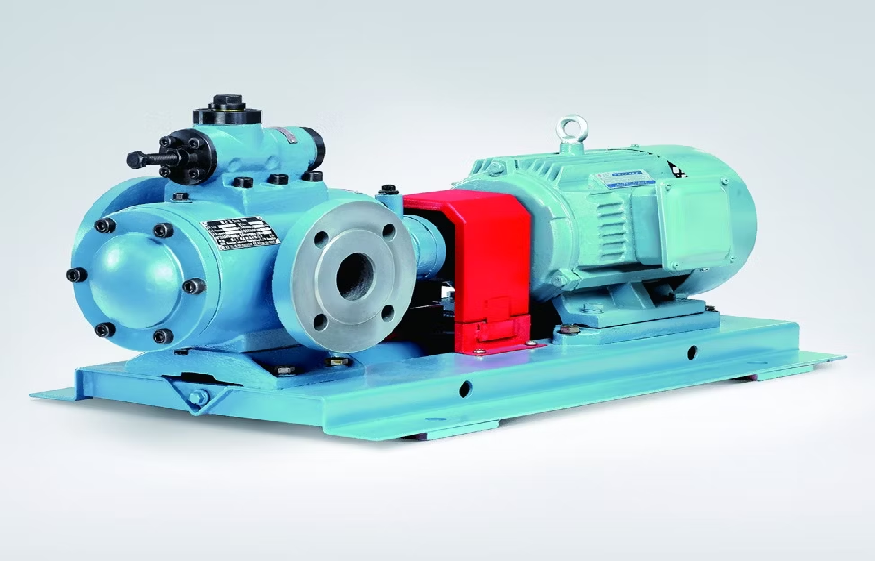
In the landscape of modern industrial infrastructure, the reliability of heavy machinery depends almost entirely on the integrity of its lubrication systems. Whether it is a massive power turbine, a high-output manufacturing line, or a primary processing compressor, the lube oil pumps serving these machines act as the heart of the system. Without a consistent, pressurized flow of oil, friction transforms from a manageable physical property into a destructive force capable of seizing high-value assets and triggering catastrophic downtime.
For facility managers and maintenance engineers, the selection process for these components is rarely about finding the cheapest hardware; it is about ensuring long-term operational continuity. Understanding how these systems function and knowing how to evaluate oil pump manufacturers is a critical skill for those tasked with maintaining the health of industrial equipment.
The Mechanical Role of Lube Oil Pumps
At its most fundamental level, a lubrication pump’s purpose is to overcome resistance within a circuit. In many industrial applications, oil must travel through cooling systems, fine-mesh filters, and complex internal galleries before reaching the bearing surfaces it is intended to protect.
The design of these pumps must account for several demanding variables:
- Viscosity Variance: Lubricants change their flow characteristics based on temperature. A pump must be able to maintain flow rates during cold starts when oil is thick, as well as during peak operating temperatures when oil thins significantly.
- Contamination Tolerance: In harsh environments, trace debris can infiltrate the oil supply. Robust pump designs minimize the impact of these contaminants on the internal housing and gears.
- Continuous Duty Cycles: Many industrial applications require 24/7 operation. Unlike automotive components designed for intermittent use, industrial-grade pumps are engineered with heavy-duty seals, bearings, and drive shafts capable of running for years without fatigue.
Why Application-Specific Engineering Matters
When selecting hardware, one of the most common mistakes is attempting to apply a generic pump design to a specialized industrial process. The internal geometry of the pump—whether it uses gear, vane, or piston mechanisms—drastically alters its performance under specific pressures.
For instance, high-pressure hydraulic circuits require a different approach than low-pressure splash lubrication systems. The precision required to maintain a consistent hydrodynamic film between a rotating shaft and a bearing is immense. If the pump output pulsates or fails to maintain the required PSI, the oil film can collapse, leading to metal-on-metal contact. Reliable oil pump manufacturers provide technical documentation that maps their pumps’ performance curves against your specific viscosity and pressure requirements, allowing for data-driven decisions rather than guesswork.
Evaluating Oil Pump Manufacturers: Beyond the Catalog
Selecting a supplier is often more complex than comparing price sheets. When evaluating potential oil pump manufacturers, maintenance professionals should look beyond the hardware and examine the company’s commitment to the life cycle of the product.
Engineering Support and Documentation
A reputable manufacturer does not just sell a pump; they sell a solution. This includes providing detailed technical drawings, performance data, and integration manuals. Look for partners who offer support during the selection phase, as they can help calculate the required flow rates and pressure drops based on your system’s unique plumbing.
Material Compatibility and Build Quality
Industrial lubricants often contain additives for extreme pressure resistance or anti-corrosion properties. These chemicals can be aggressive toward certain plastics, rubbers, and inferior alloys. A high-quality manufacturer will be transparent about material compatibility, ensuring that seals and gaskets are selected to withstand the specific chemical composition of the oil you are using.
Availability of Replacement Parts
In a mission-critical environment, waiting six weeks for a proprietary internal component can be disastrous. The best oil pump manufacturers maintain robust supply chains for spare parts, such as seal kits, bushings, and shafts. Prioritizing manufacturers with a deep inventory of replacement components ensures that when a service interval arrives, you can perform the maintenance without a long-term production stoppage.
Maintenance Strategies for Long-Term Reliability
Even the most well-engineered lube oil pumps will eventually succumb to wear if the surrounding system is neglected. Preventive maintenance is the best way to extract the maximum return on investment from your hardware.
- Fluid Analysis: Regularly testing your oil does more than tell you about the oil itself—it tells you about the pump. Unexpected metallic particles in the oil sample often point to internal pump wear or degradation, providing an early warning sign before a failure occurs.
- Pressure Monitoring: Installing high-quality pressure gauges both before and after the pump allows for real-time monitoring. A steady decline in discharge pressure can indicate internal bypass or gear wear, allowing you to schedule a replacement during a planned outage rather than dealing with an emergency.
- Alignment and Vibration: Proper shaft alignment between the motor and the pump is essential. Misalignment induces side-loads on the pump bearings, leading to premature failure. Regular vibration analysis can identify these issues before they manifest as leaks or catastrophic housing fractures.
Navigating Modern Industrial Standards
Today’s industrial environment is increasingly driven by data. Modern systems often incorporate smart sensors that communicate directly with centralized monitoring software. When selecting lube oil pumps, consider whether the manufacturer offers integration options for IoT-based sensors. Being able to track pump temperature, flow rate, and pressure in real-time transforms maintenance from a calendar-based routine into a condition-based necessity.
Furthermore, compliance with international standards for pump performance and safety should be a baseline expectation. When reviewing bids, verify that the units meet or exceed the performance metrics required by your facility’s safety protocols. An investment in high-quality hardware is essentially an insurance policy against the much higher costs of unplanned equipment downtime.
Making the Final Decision
Choosing the right equipment requires a balance between initial capital expenditure and the total cost of ownership. While high-grade pumps from reputable oil pump manufacturers may carry a higher upfront cost, they almost invariably offer better efficiency and longer intervals between major overhauls.
When you are ready to upgrade or replace your system, consider these factors:
- Does the manufacturer provide clear, verifiable performance data?
- Is the design suited for the specific viscosity range of your lubricants?
- Is there a local or regional support network for parts and technical assistance?
- Are the construction materials verified for long-term chemical compatibility?
By focusing on these pillars of reliability, you can ensure that your lubrication systems continue to support the productivity of your facility. The performance of your primary machinery is only as good as the lube oil pumps that keep them running. By treating the selection and maintenance of these components with the gravity they deserve, you secure your operations against the hidden risks of mechanical friction and wear, ensuring your equipment operates smoothly for years to come.